
Blog
How to Inspect a Used Boat Motor Before Buying (Complete 2026 Guide)

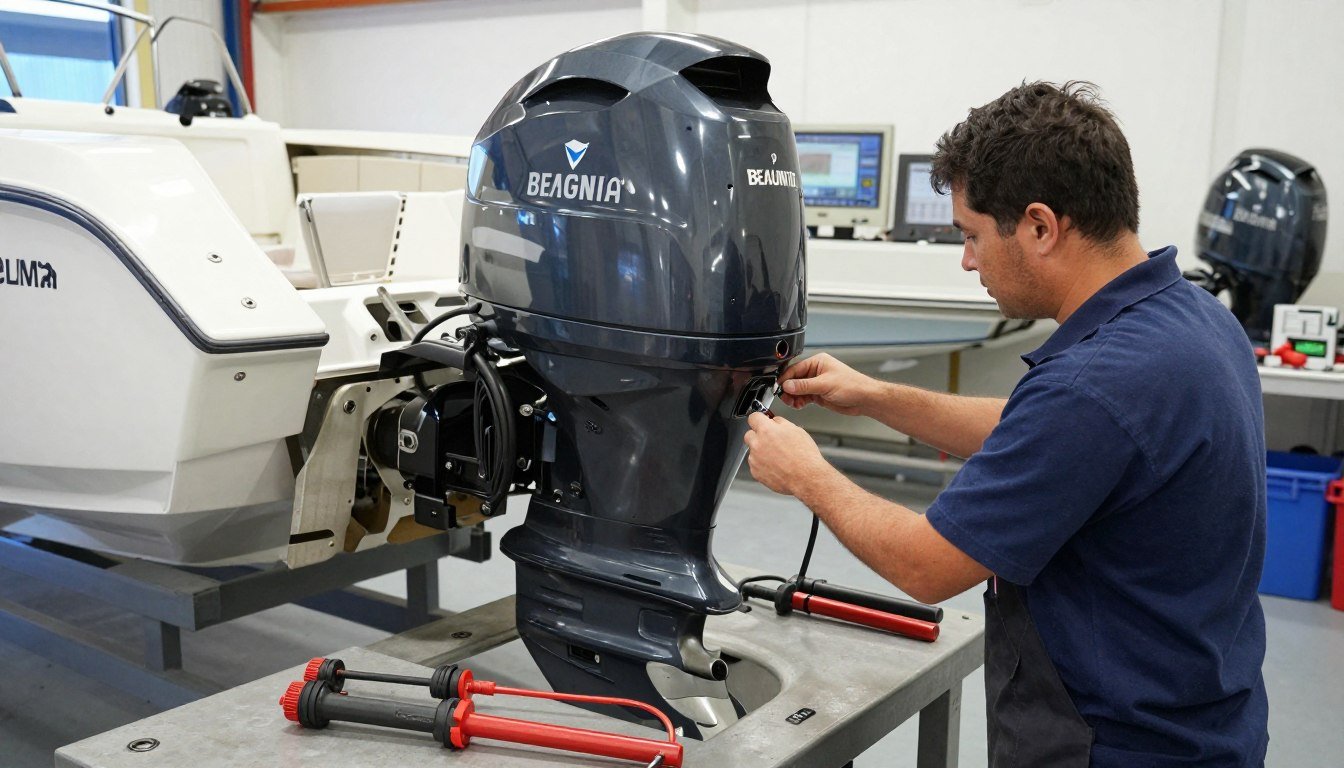
Buying a used boat motor can save you thousands of dollars. But one wrong move can turn your dream purchase into an expensive problem. Many boat owners skip critical inspection steps and end up with motors that need major repairs.
A thorough inspection protects your investment. It helps you spot hidden issues before money changes hands. This guide walks you through every step needed to evaluate a used boat motor like a professional.
You will learn what tools to bring and what signs indicate trouble. We cover compression tests, corrosion checks, and common red flags. By the end, you will know exactly how to inspect a used boat motor with confidence.
Why Buying a Used Boat Motor Can Be a Smart Choice
A used motor offers significant cost savings compared to new models. The price difference can be substantial, especially for premium brands like Yamaha and Mercury Marine.
Depreciation works in your favor when you buy used. New motors lose value quickly in the first few years. A well-maintained used engine gives you the same power at a fraction of the cost.
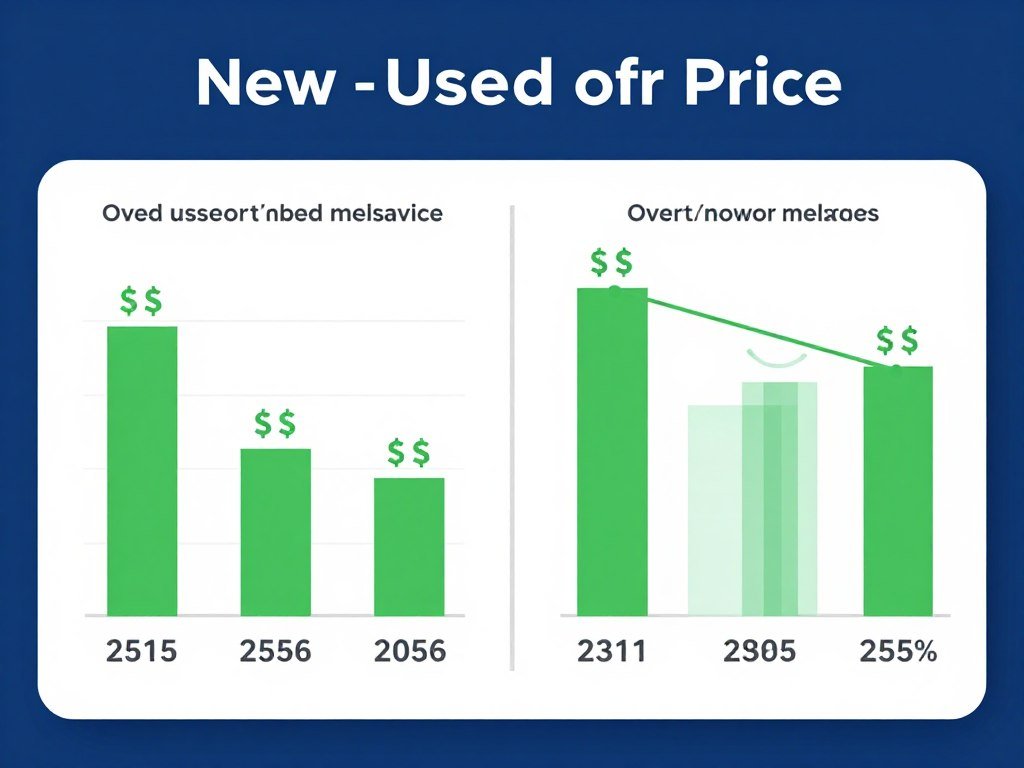
You gain access to discontinued models that are no longer in production. Some older units are actually more reliable than newer versions. Parts for popular brands remain widely available for years.
The used market offers more variety within your budget. You can afford a higher horsepower motor or a better brand by choosing a pre-owned unit. This flexibility helps you get exactly what your boat needs.
- Lower purchase price saves money
- Avoid steep depreciation hit
- Access to proven reliable models
- More options within budget
- Parts readily available
Benefits of Buying Used
- Unknown maintenance history possible
- Higher engine hours on some units
- No manufacturer warranty
- May need immediate service work
- Requires thorough inspection time
Things to Consider
Tools You Should Bring When Inspecting a Used Boat Motor
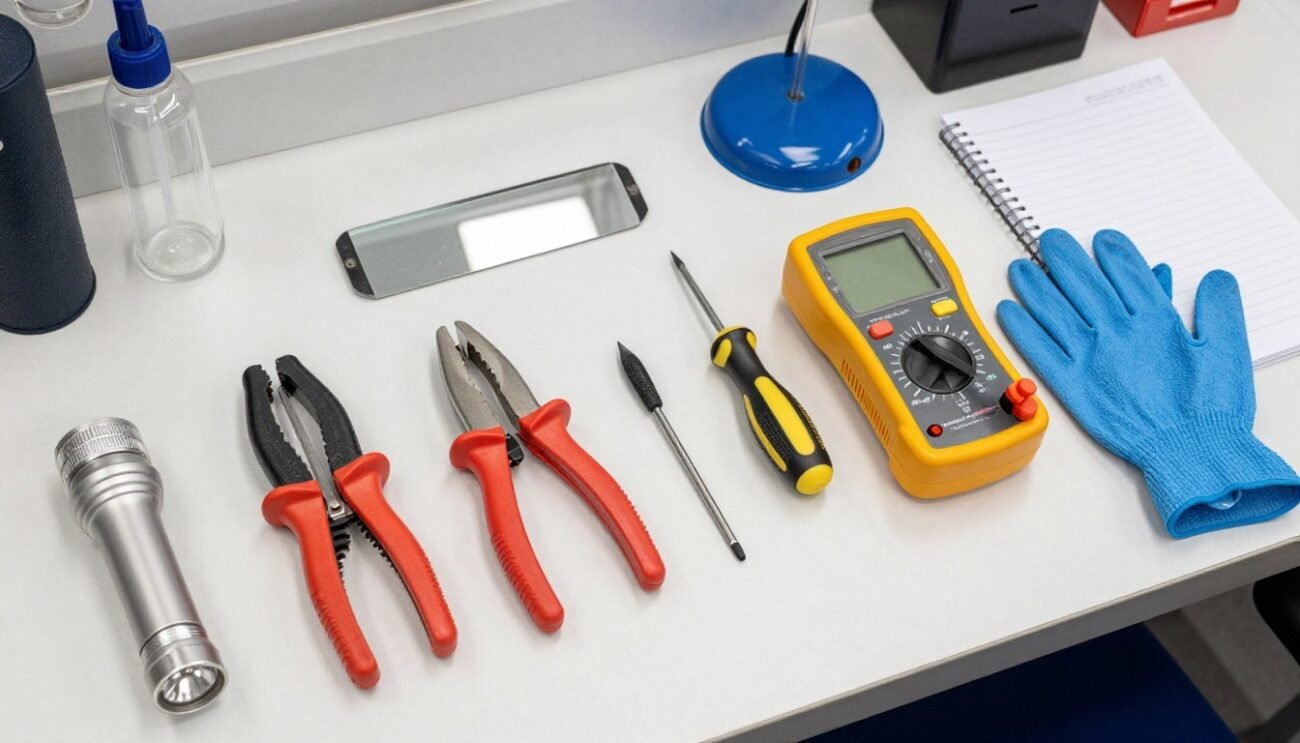
The right tools make all the difference during an inspection. These items help you test the motor properly and spot potential issues. Never rely on just a visual check alone.
A compression tester measures engine health accurately. This tool reveals problems with cylinders that you cannot see. It is essential for any serious boat motor evaluation.
A flashlight helps you examine hard-to-reach areas. Look for corrosion, leaks, and damage in dark spaces. A small inspection mirror lets you see around corners and under components.
- Flashlight with strong beam for dark areas
- Compression tester to check cylinder health
- Multimeter for electrical system testing
- Screwdriver set for removing cowling
- Small inspection mirror for tight spots
- Notepad and pen for recording findings
- Gloves to keep hands clean and safe
- Camera phone to document condition
Get Professional-Grade Inspection Tools
Motor Dock Marine carries quality compression testers, multimeters, and marine inspection equipment. Our tools help you evaluate any used boat motor with confidence.
Step-by-Step Used Boat Motor Inspection Checklist
A systematic approach catches problems that random checking misses. Follow these steps in order to build a complete picture of the motor condition. Take your time with each point.
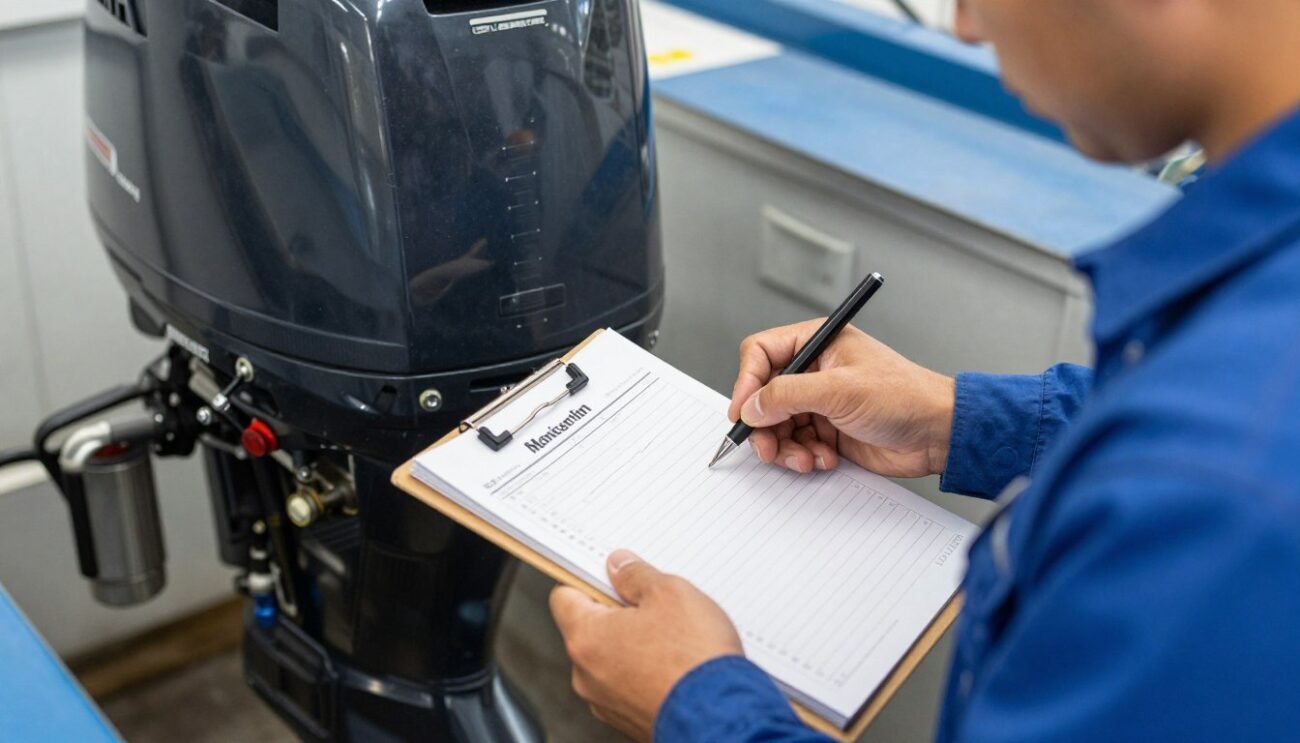
Inspect the Cowling and Exterior
Remove the cowling to access internal components. Check for cracks, stress marks, or repairs on the cover. A damaged cowling may indicate the motor was dropped or struck.
Look at the overall paint condition and finish. Fading and wear are normal, but fresh paint might hide corrosion. Run your hand over surfaces to feel for rough spots or repairs.
Check for Corrosion Throughout
Corrosion appears as white or green buildup on metal surfaces. Heavy corrosion weakens components and causes failures. Pay special attention to the engine block and mounting areas.
Saltwater use accelerates corrosion significantly. Check electrical connections and terminals for oxidation. Light surface rust is manageable, but deep pitting signals serious issues.
Examine Wiring and Hoses Carefully
Inspect all visible wiring for cracks, burns, or repairs. Brittle insulation indicates age and potential failure. Look for any melted areas that suggest overheating problems.
Check fuel lines for cracks and soft spots. Squeeze hoses gently to test flexibility. Old fuel lines become hard or sticky and need replacement soon.
Inspect the Lower Unit for Damage
The lower unit houses critical gear components. Look for dents, gouges, or impact damage. These signs indicate the motor hit rocks or other underwater objects.
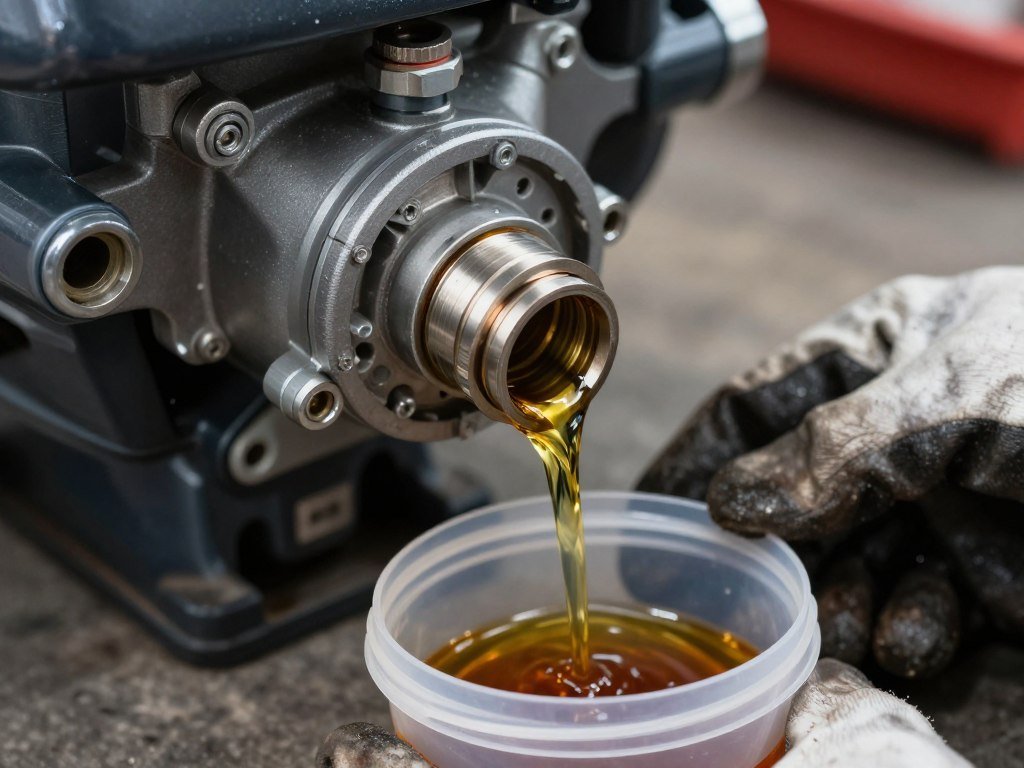
Check the drain plug for metal shavings in the gear oil. Metallic particles mean internal wear is happening. The oil should be clean and at the proper level.
Check Propeller Condition and Fit
Remove the propeller to inspect the shaft. Look for fishing line wrapped around the shaft or damage to seals. A bent shaft causes vibration and performance problems.
Examine propeller blades for chips, bends, or repairs. A damaged prop reduces efficiency and can indicate impact. The propeller should spin freely without binding or play.
Look for Oil Leaks Everywhere
Check around the powerhead for oil seepage. Look at gasket areas and seal points carefully. Fresh oil indicates active leaks that need repair.
Run your finger under the motor to feel for wet spots. Old oil mixed with dirt creates a sticky buildup. Small seeps are common, but heavy leaking is a red flag.
Inspect Fuel System Components
Check the fuel pump for leaks and proper mounting. Look at fuel line connections for security and condition. The fuel filter should be clean without debris.
Smell for fuel odors around the motor. Gas leaks create safety hazards and performance issues. The carburetor or fuel injection system should be dry and clean.
Check Mounting Brackets and Transom
Inspect where the motor bolts to the transom. Look for cracks in the mounting bracket or stress marks. The transom wood should be solid without soft spots.
Push and pull on the motor to test for movement. Excessive play indicates worn mounts or transom damage. This problem affects boat handling and safety.
Inspect Skeg and Cavitation Plate
The skeg at the bottom of the lower unit should be intact. A broken or bent skeg affects steering and tracking. Repairs are possible but can be expensive.
Check the cavitation plate for damage or erosion. This flat surface above the propeller should be smooth. Gouges or bends reduce performance and efficiency.
Check Trim and Tilt System
Operate the trim and tilt mechanism multiple times. It should move smoothly without jerking or stopping. Listen for the hydraulic pump running properly.
Check hydraulic fluid level and look for leaks. The system should hold position without drifting down. Trim and tilt repairs can be costly on older motors.
Examine Spark Plugs Condition
Remove spark plugs and inspect their condition. They reveal how the engine runs and burns fuel. Light brown or tan color indicates good combustion.
Black, oily plugs suggest rich fuel mixture or oil burning. White or blistered plugs mean the motor runs too hot. Wet plugs indicate flooding or ignition problems.
Check Engine Hours if Available
Many modern motors track operating hours digitally. High hours mean more wear, but proper maintenance matters most. A well-maintained motor with more hours beats a neglected low-hour engine.
Ask the owner about typical usage patterns. Weekend fishing trips create less wear than commercial use. Hours combined with condition give you the full picture.
Perform a Compression Test
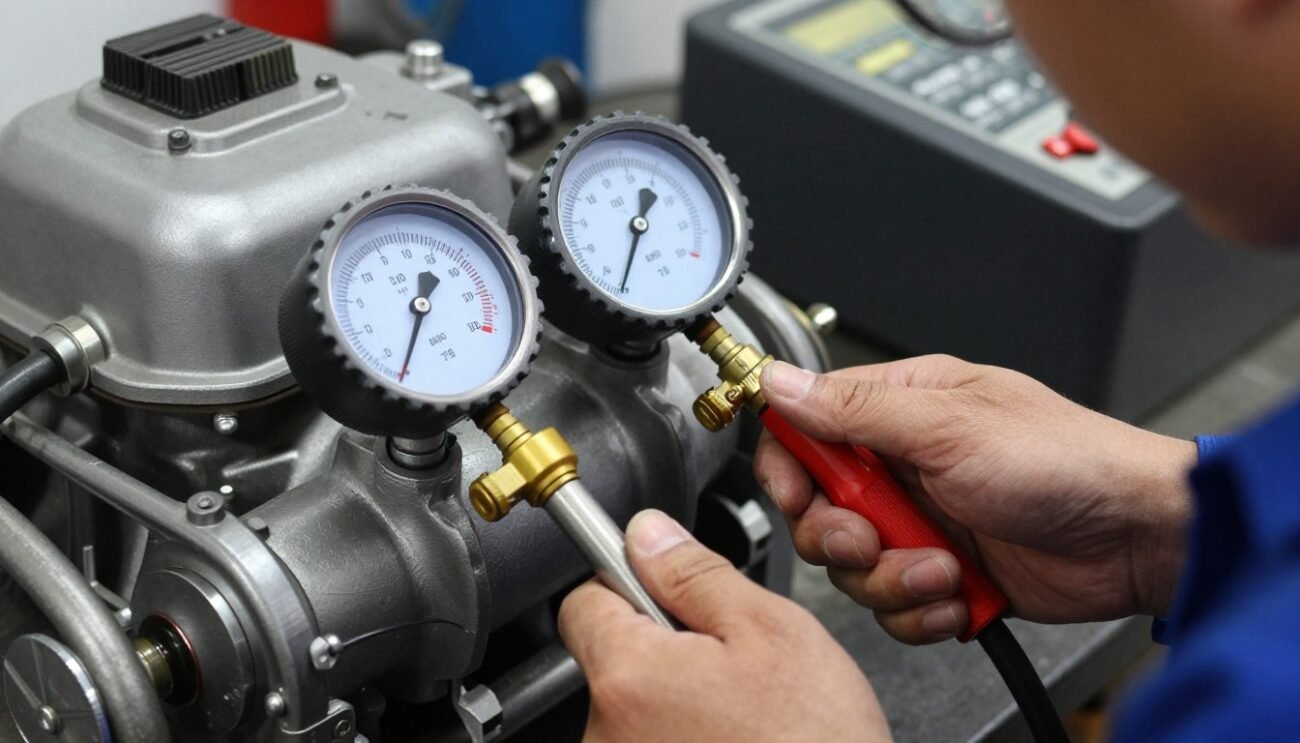
A compression test is the most important check you will do. This test measures engine internal health accurately. All cylinders should read within 10 percent of each other.
Low compression indicates worn rings, valves, or cylinder walls. One weak cylinder can cause running problems and expensive repairs. Record the numbers for all cylinders to compare.
Start the Engine and Observe
A cold start reveals how easily the motor fires up. It should start within a few seconds without excessive cranking. Hard starting signals ignition or fuel system issues.
Let the motor warm up and reach operating temperature. Watch the temperature gauge and listen for unusual sounds. The motor should idle smoothly without stalling or surging.
Look for Excessive Smoke Output
Some smoke at startup is normal for two-stroke motors. Continuous heavy smoke indicates oil burning or mixture problems. Blue smoke means oil consumption issues exist.
White smoke suggests water in combustion chambers. This serious problem indicates a cracked block or bad head gasket. Black smoke shows rich fuel mixture or incomplete combustion.
Test Water Pump Flow
The water pump circulates cooling water through the engine. A strong, steady stream should flow from the telltale hole. Weak flow means the impeller needs replacement.
Feel the water temperature by hand carefully. It should be warm but not scalding hot. Overheating causes serious engine damage and expensive repairs.
Listen for Unusual Noises
Knocking sounds indicate worn bearings or loose internal parts. Squealing suggests belt or bearing problems. Any metallic grinding noise is a serious concern.
A properly running motor sounds smooth and consistent. Rattling or clicking noises often mean timing issues or valve problems. Trust your ears during the test run.
How to Tell if a Used Outboard Motor Was Used in Saltwater
Saltwater use significantly impacts motor longevity and condition. Salt accelerates corrosion and damages components faster than freshwater. You need to identify saltwater use before buying.
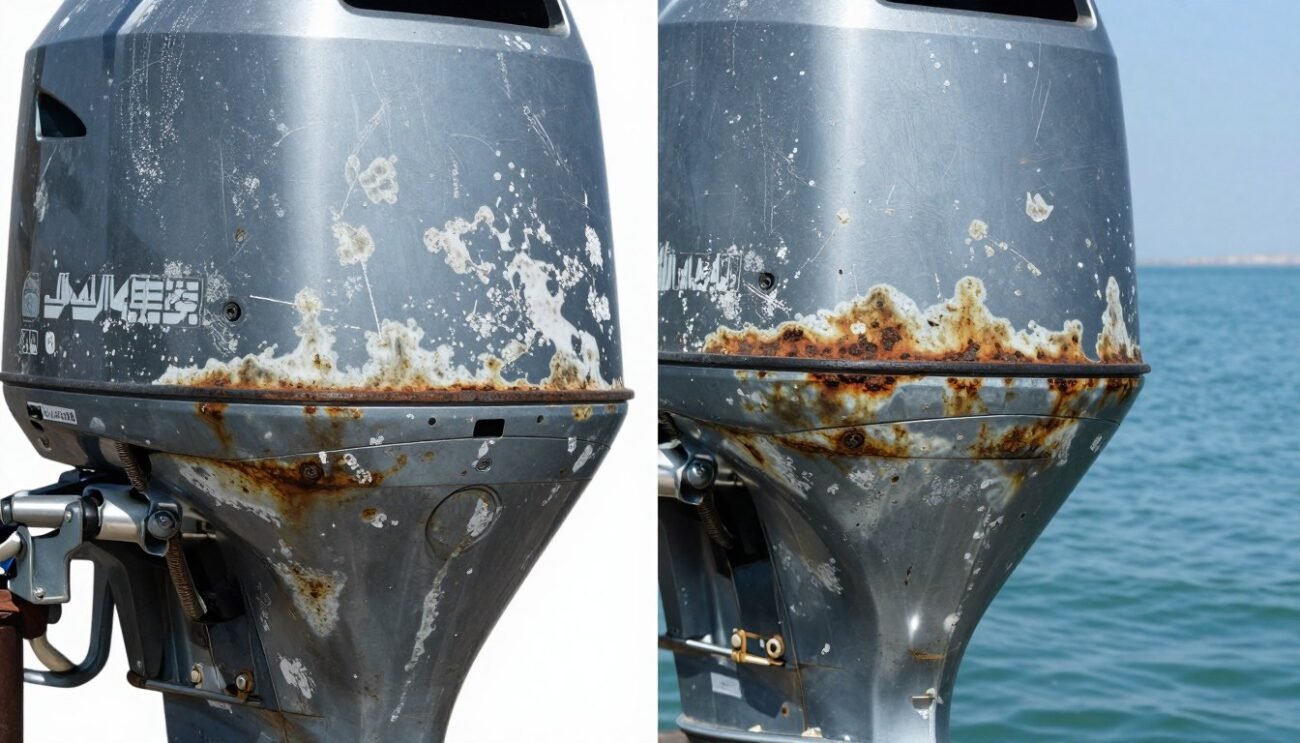
White crusty buildup on metal indicates salt residue. This oxidation appears on aluminum and steel surfaces. Heavy accumulation shows the motor spent significant time in saltwater.
Check electrical connections for green corrosion. Saltwater attacks wiring terminals and connectors aggressively. Damaged electrical systems require expensive repairs and cause reliability problems.
- White or green corrosion on metal surfaces
- Rust on steel bolts and brackets
- Pitting in aluminum components
- Corroded electrical terminals
- Salt buildup in cooling passages
- Damaged paint from salt exposure
Ask the seller directly about water type. Many owners are honest about saltwater use. A motor used exclusively in freshwater typically shows less wear and better condition overall.
Red Flags That Mean You Should Avoid the Motor
Some problems are too expensive to fix or indicate major issues. These red flags should make you walk away from the deal. Saving money upfront is not worth future headaches.
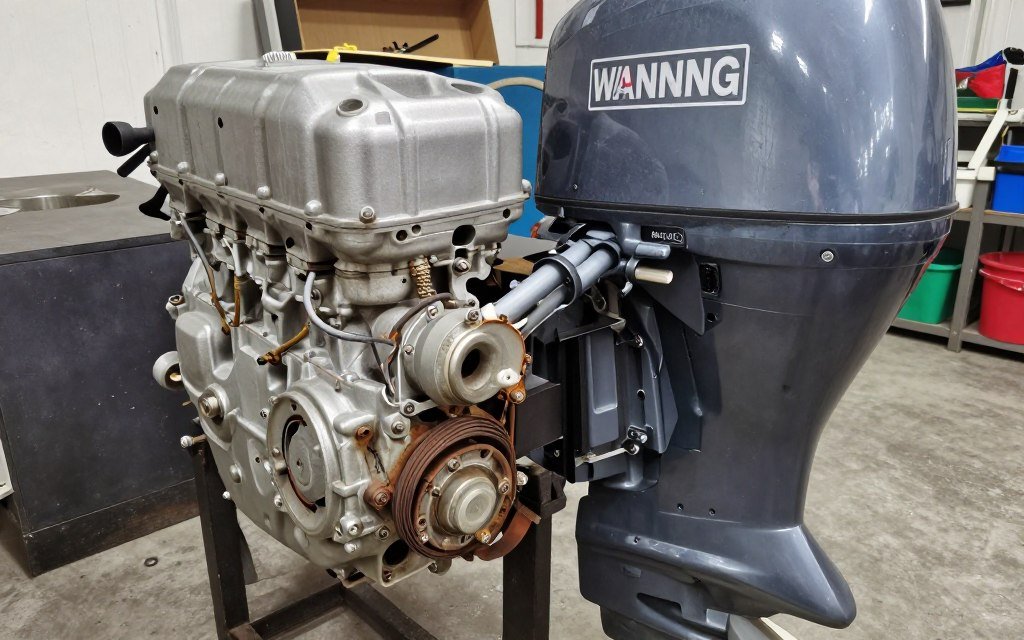
Uneven compression between cylinders means internal damage. A difference greater than 10 percent indicates serious wear. Rebuilding costs often exceed the motor value on older units.
Water in the lower unit oil appears milky or tan. This problem indicates seal failure and water intrusion. Running the motor with water in the gearcase causes rapid gear damage.
Critical Warning Signs
If you find any of these issues during inspection, walk away from the purchase. The repair costs will likely exceed what you save by buying used.
- Compression readings below specification or highly uneven
- Water mixed with lower unit gear oil
- Burnt or melted electrical wiring
- Cracks in the engine block or cylinder head
- Severe corrosion throughout the motor
- Motor runs rough and will not idle properly
- Extremely hard starting or no start condition
- Complete absence of maintenance records
- Seller refuses to let you test the motor
- Recently painted motor hiding obvious damage
Questions to Ask Before Buying a Used Boat Motor
The right questions reveal important information about motor history. Ask these questions before you invest time in inspection. Honest answers help you make an informed decision.

Maintenance history tells you how well the owner cared for the engine. Regular oil changes and service indicate a responsible owner. Missing records suggest neglect or hidden problems.
Ask about typical operating conditions and usage patterns. Light recreational use is easier on motors than constant commercial operation. Understanding how the motor was used helps predict remaining life.
- Do you have maintenance records and service history?
- Was this motor used in saltwater or freshwater?
- What is the main reason you are selling it?
- What repairs or major work has been done?
- How was the motor stored during off-season?
- How many hours are on the engine?
- Can I test run the motor on a boat or tank?
- Has the motor ever been submerged or flooded?
- Are you the original owner of this motor?
- What issues or quirks should I know about?
Pro Tip: Trust Your Instincts
If the seller seems evasive or refuses reasonable requests, consider it a warning sign. A good seller wants you to be confident in your purchase and will answer questions honestly.
Best Used Outboard Motor Brands
Brand reputation matters when buying a used boat motor. Some manufacturers build more reliable engines than others. Parts availability and dealer support also affect long-term ownership costs.
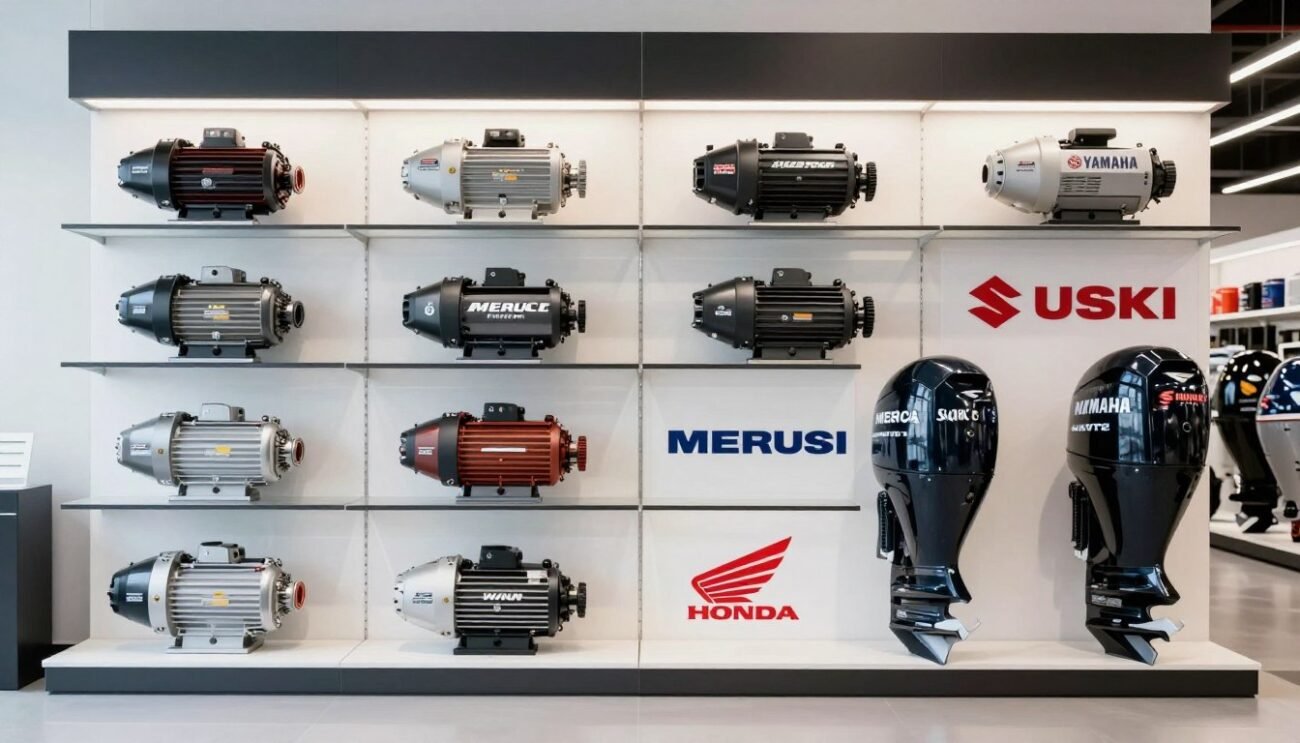
Yamaha Outboard Motors
Yamaha builds some of the most reliable outboards available. Their four-stroke motors are known for longevity and low maintenance. Parts remain available even for older models.
Yamaha motors hold their value well in the used market. The brand has excellent dealer support across the country. Common issues are minimal compared to other manufacturers.
Yamaha Reliability
Yamaha consistently ranks highest for dependability. Their engines require less frequent repairs and last longer with proper maintenance. The F150 and F200 models are especially durable.
Mercury Marine Outboards
Mercury offers a wide range of motors at competitive prices. Their Verado line provides premium performance and features. Mercury motors are popular and easy to find parts for nationwide.
Newer Mercury four-strokes show improved reliability over older two-stroke models. The brand innovates with technology and performance features. Service costs are generally reasonable at authorized dealers.
Mercury Performance
Mercury motors deliver strong power and acceleration. The Verado series offers exceptional refinement and technology. OptiMax two-stroke models provide fuel efficiency with strong performance.
Suzuki Marine Outboards
Suzuki builds efficient and smooth-running motors. Their four-stroke technology focuses on fuel economy and low emissions. Suzuki motors run quietly compared to many competitors.
Parts availability is good but slightly less widespread than Yamaha or Mercury. Suzuki engines often cost less than comparable models from other brands. Their DF115 and DF140 models have excellent reputations.
Suzuki Efficiency
Suzuki motors excel at fuel economy without sacrificing power. Their lean burn technology reduces operating costs significantly. Motors run exceptionally smooth with minimal vibration.
Honda Marine Outboards
Honda brings automotive engineering quality to marine motors. Their engines are extremely reliable and well-built. Honda motors typically require less maintenance than average.
The downside is Honda produces fewer marine motors than competitors. Parts can sometimes take longer to obtain. However, the quality and longevity often justify any minor inconvenience.
Honda Quality
Honda applies decades of engine expertise to their marine line. Build quality exceeds most competitors. The BF90 and BF115 models are particularly bulletproof with proper care.
How Much Should You Pay for a Used Boat Motor?
Pricing a used motor involves multiple factors beyond just age. Engine hours, condition, and brand all affect fair market value. Understanding these factors helps you negotiate confidently.
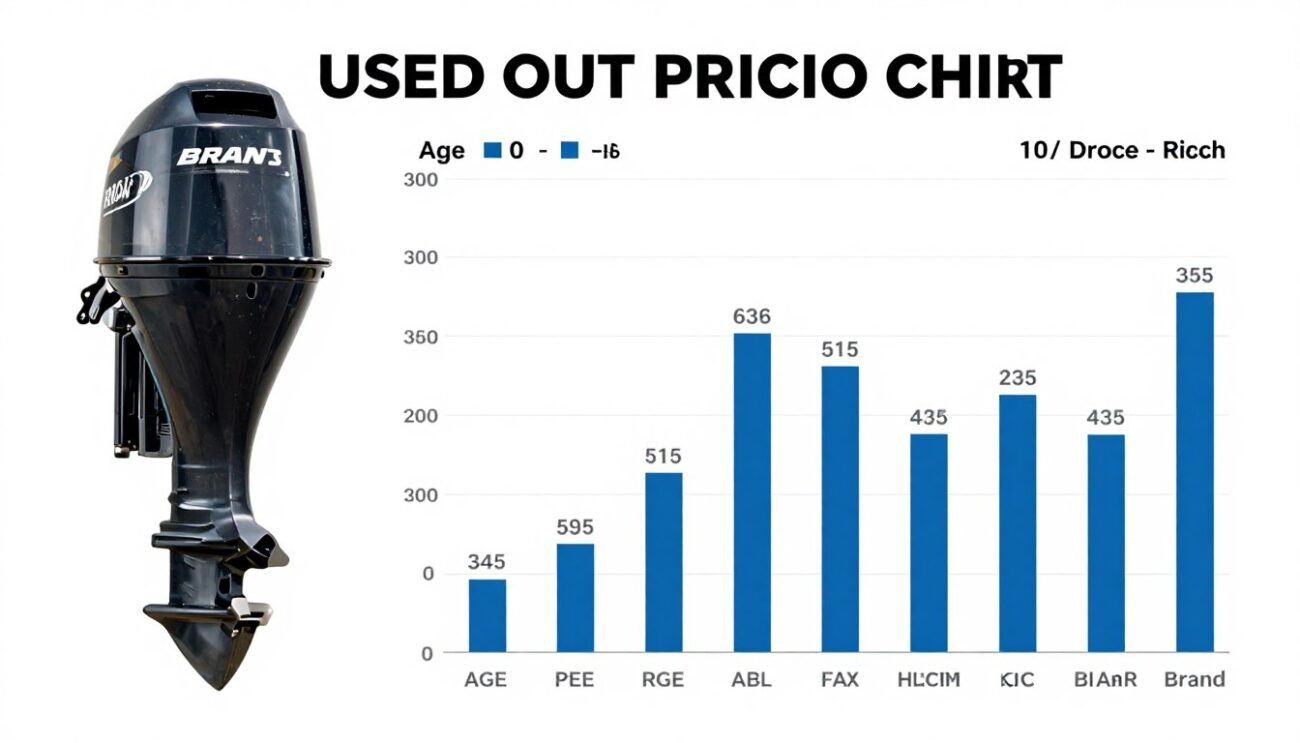
Horsepower directly impacts price regardless of age. A 150HP motor costs significantly more than a 50HP unit. Popular horsepower ranges like 90-150HP hold value better than extreme sizes.
Brand reputation affects resale value substantially. Yamaha and Honda motors command premium prices even when older. Lesser-known brands sell for less but may offer good value if well-maintained.
| Factor | Impact on Price | What to Consider |
| Engine Hours | High impact | Under 500 hours: premium pricing. 500-1000 hours: moderate discount. Over 1000 hours: significant discount needed |
| Brand Name | High impact | Yamaha, Honda command 10-20% premium. Mercury, Suzuki at market average. Lesser brands 20-30% below market |
| Overall Condition | Very high impact | Excellent condition: near retail. Good condition: 70-85% of retail. Fair condition: 50-70% of retail |
| Age of Motor | Moderate impact | 0-3 years: highest resale. 4-7 years: moderate depreciation. 8+ years: condition matters more than age |
| Saltwater Use | Moderate impact | Saltwater motors sell 10-25% less than freshwater equivalents in similar condition |
Research completed sales prices, not just asking prices. Online marketplaces show real transaction values. Compare similar motors in your area to establish fair market range.
Should You Buy from a Dealer or Private Seller?
Each purchase option has distinct advantages and disadvantages. Dealers offer more protection but charge higher prices. Private sellers provide better deals but carry more risk.
Dealers typically inspect motors and make necessary repairs before sale. Many offer limited warranties or return policies. You pay more but gain peace of mind and recourse if problems arise.
Private sellers usually ask less money than dealers. However, you buy the motor as-is with no warranty or guarantees. Thorough inspection becomes even more critical with private purchases.
Dealer Advantages
- Motors inspected and serviced before sale
- Limited warranty coverage included
- Financing options available
- Professional installation services
- Return policy if major problems occur
- Established reputation to maintain
Private Seller Advantages
- Lower purchase price saves money
- Direct negotiation with owner
- Complete history from original owner
- More flexible on terms
- No dealer markup or fees
- Larger selection to choose from
Get Dealer Quality with Private Sale Prices
Motor Dock Marine offers certified used boat motors with inspection reports and warranties. Skip the risk of private sales while saving thousands compared to buying new. Our expert technicians ensure every motor meets strict standards.
How many hours is too much for a used outboard motor?
Most quality outboard motors last 2000 to 3000 hours with proper maintenance. Motors under 500 hours are considered low-hour units. Between 500 and 1000 hours is typical for used motors.
Above 1000 hours, condition matters more than hours alone. A well-maintained motor with 1500 hours often runs better than a neglected motor with 500 hours. Always prioritize maintenance history over hour count.
What compression should a healthy outboard have?
Most outboard motors should show compression between 90 and 120 PSI per cylinder. The exact specification varies by manufacturer and model year. Check your specific motor manual for factory specs.
All cylinders should read within 10 percent of each other. A motor with readings of 110, 115, 112, and 108 PSI is healthy. One cylinder reading 85 PSI while others are 115 PSI indicates a problem.
How do I know if an outboard motor is bad?
Hard starting, rough idle, and excessive smoke indicate problems. Listen for knocking, rattling, or grinding noises during operation. Check for oil leaks, damaged wiring, and heavy corrosion.
Poor compression test results mean internal engine damage. Water in the lower unit oil shows seal failure. Any combination of these signs suggests you should pass on the motor.
Is buying a used boat motor worth it?
Yes, buying used saves significant money if you inspect carefully. A well-maintained used motor performs just like new at a fraction of the cost. The key is thorough inspection and knowing what to look for.
Avoid motors with major red flags or unknown history. Buy from reputable sellers who can document maintenance. A quality used motor from a trusted source offers excellent value.
What is the most reliable used outboard motor?
Yamaha four-stroke outboards consistently rank as most reliable. Honda marine motors also have excellent reputations for longevity. Both brands build engines that regularly exceed 2000 hours.
Mercury Verado and newer Mercury four-strokes offer good reliability. Suzuki motors are dependable and fuel-efficient. Avoid older two-stroke motors if reliability is your priority.
Can a used boat motor last 20 years?
Yes, with excellent maintenance and light use. Many recreational motors from the 1990s and early 2000s still run today. Freshwater use and proper winterization extend motor life significantly.
Age alone does not determine condition. A 20-year-old motor with 300 hours and regular service can be better than a 5-year-old neglected motor. Focus on maintenance records and actual condition over age.
Should I buy a two-stroke or four-stroke used outboard?
Four-stroke motors offer better fuel efficiency, lower emissions, and quieter operation. They require less frequent maintenance and run cleaner. Most modern buyers prefer four-stroke technology.
Two-stroke motors cost less upfront and weigh less for equivalent power. They provide strong acceleration but burn more fuel. Consider a four-stroke unless budget is your only concern.
What should I check first when looking at a used outboard motor?
Start with overall appearance and maintenance signs. Look for heavy corrosion, leaking fluids, and damaged components. These visible issues tell you about owner care immediately.
Next, perform a compression test to verify engine health. This single test reveals internal condition that you cannot see otherwise. Low or uneven compression means walk away from the deal.
How much does it cost to rebuild a used boat motor?
A complete rebuild typically costs between 00 and 00 depending on motor size. Labor rates vary by region and shop. Parts costs increase significantly for larger horsepower motors.
Minor repairs like lower unit seals cost 0 to 0. Powerhead rebuilds run 00 to 00 plus labor. Often, buying a better used motor makes more financial sense than rebuilding a troubled one.
Can I install a used boat motor myself?
Installation difficulty depends on your mechanical skills and the boat setup. Outboard motors require proper mounting, control cable connections, and electrical hookups. Many experienced boat owners handle installation themselves.
Professional installation ensures correct setup and avoids costly mistakes. Improper mounting can damage your transom or cause safety issues. Consider professional help if you lack experience with marine systems.
Make a Confident Used Boat Motor Purchase
Inspecting a used boat motor thoroughly protects your investment. The time you spend checking critical components prevents expensive problems later. Follow the steps in this guide every time you evaluate a motor.

Remember that condition matters more than age or hours alone. A well-maintained older motor beats a neglected newer one. Always perform a compression test and verify maintenance records.
Trust your instincts if something feels wrong during inspection. Walking away from a bad deal saves you money and frustration. The right used motor is worth waiting for and finding.
Find Your Perfect Used Boat Motor at Motor Dock Marine
Browse our selection of certified used outboard motors from top brands like Yamaha, Mercury, Suzuki, and Honda. Every motor includes a detailed inspection report and warranty coverage. Our marine experts help you find exactly what your boat needs.
Questions about a specific motor? Our team provides free consultations to help you make the right choice.