
Blog
Best Outboard Motors for Fishing Boats (2026 Buyer’s Guide)

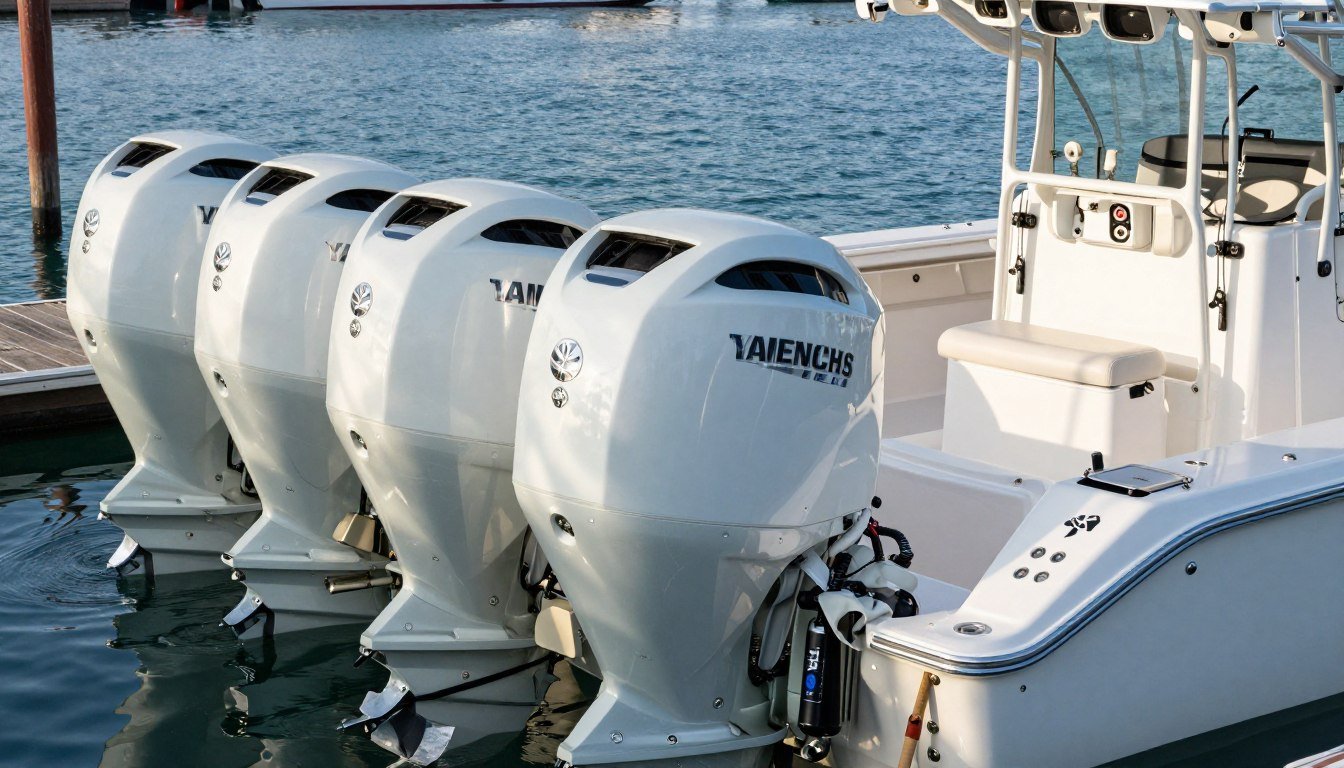
Choosing the right outboard motor can make or break your fishing experience. The wrong engine means poor fuel efficiency, unreliable performance, and costly repairs. The right one delivers smooth acceleration, quiet operation, and years of dependable service on the water.
Today’s fishing boats demand more from outboard engines than ever before. Whether you’re trolling for bass in shallow water or running offshore for tuna, your motor must deliver consistent power and efficiency. This comprehensive guide breaks down everything you need to know.
We’ve analyzed the top outboard motor brands, compared fuel economy data, and tested performance across different fishing conditions. You’ll discover which engines excel in saltwater, which offer the best value, and how to match horsepower to your specific boat type.
Explore Premium Outboard Motors
Browse our complete selection of Yamaha, Mercury, Suzuki, and Honda outboards for every fishing boat type. Find the perfect match for your vessel.
What to Look for in a Fishing Boat Outboard Motor
Selecting the ideal outboard requires understanding several critical factors. These elements determine how well your motor performs and how long it lasts.
Horsepower Requirements
Your boat’s size and weight dictate power needs. A 16-foot bass boat runs efficiently with 60-90 HP. Center consoles between 20-25 feet typically need 150-200 HP. Offshore fishing boats over 30 feet demand 250 HP or more.
Underpowering creates sluggish acceleration and poor top-end speed. Overpowering wastes fuel and exceeds your boat’s rated capacity. Always check your vessel’s maximum horsepower rating on the capacity plate.
Two-Stroke vs Four-Stroke Engines
Four-stroke outboards dominate the market today. They offer superior fuel efficiency, quieter operation, and cleaner emissions. Modern four-stroke engines deliver excellent power while meeting environmental standards.
Two-stroke engines still have advantages. They’re lighter, simpler to maintain, and cost less upfront. Some anglers prefer them for shallow-water fishing where weight matters. However, fuel consumption runs higher than comparable four-stroke models.
Shaft Length Selection
Shaft length must match your transom height. Standard shafts measure 20 inches for most boats. Center consoles and pontoons often need 25-inch extra-long shafts. Incorrect length causes cavitation, poor handling, and potential engine damage.
Fuel Economy Considerations
Fuel efficiency directly impacts operating costs. Modern outboards achieve 3-5 miles per gallon at cruise speeds. Variable valve timing and electronic fuel injection maximize efficiency across different rpm ranges.
The most fuel-efficient outboard motors optimize combustion and reduce waste. Features like low-speed trolling modes help conserve fuel during fishing. Consider total fuel consumption over the engine’s lifetime when comparing options.
Engine Weight Impact
Lighter motors improve handling and performance on smaller boats.
- Aluminum construction reduces overall weight
- Affects boat balance and trim
- Critical for jon boats and small vessels
- Heavier engines provide stability offshore
Saltwater Protection
Corrosion resistance extends engine life in marine environments.
- Anodized aluminum components resist corrosion
- Stainless steel fasteners prevent rust
- Sealed electrical connections block moisture
- Sacrificial anodes protect internal parts
Maintenance Requirements
Regular service keeps your outboard running reliably for years.
- Oil changes every 100 hours or annually
- Lower unit gear oil replacement
- Spark plug inspection and replacement
- Fuel filter changes prevent problems
Noise Level Standards
Quieter operation enhances the fishing experience and reduces fatigue.
- Four-stroke engines run significantly quieter
- Sound dampening technology reduces vibration
- Important for all-day fishing trips
- Low-rpm trolling minimizes fish disturbance
Warranty Coverage
Strong warranty protection provides peace of mind. Most manufacturers offer 3-5 year limited warranties. Extended coverage options protect against expensive repairs. Review warranty terms carefully before purchasing.
Best Outboard Motor Brands for Fishing Boats
Five manufacturers dominate the outboard market. Each brand offers distinct advantages for fishing applications. Understanding their strengths helps you make an informed choice.
Yamaha Motor Corporation
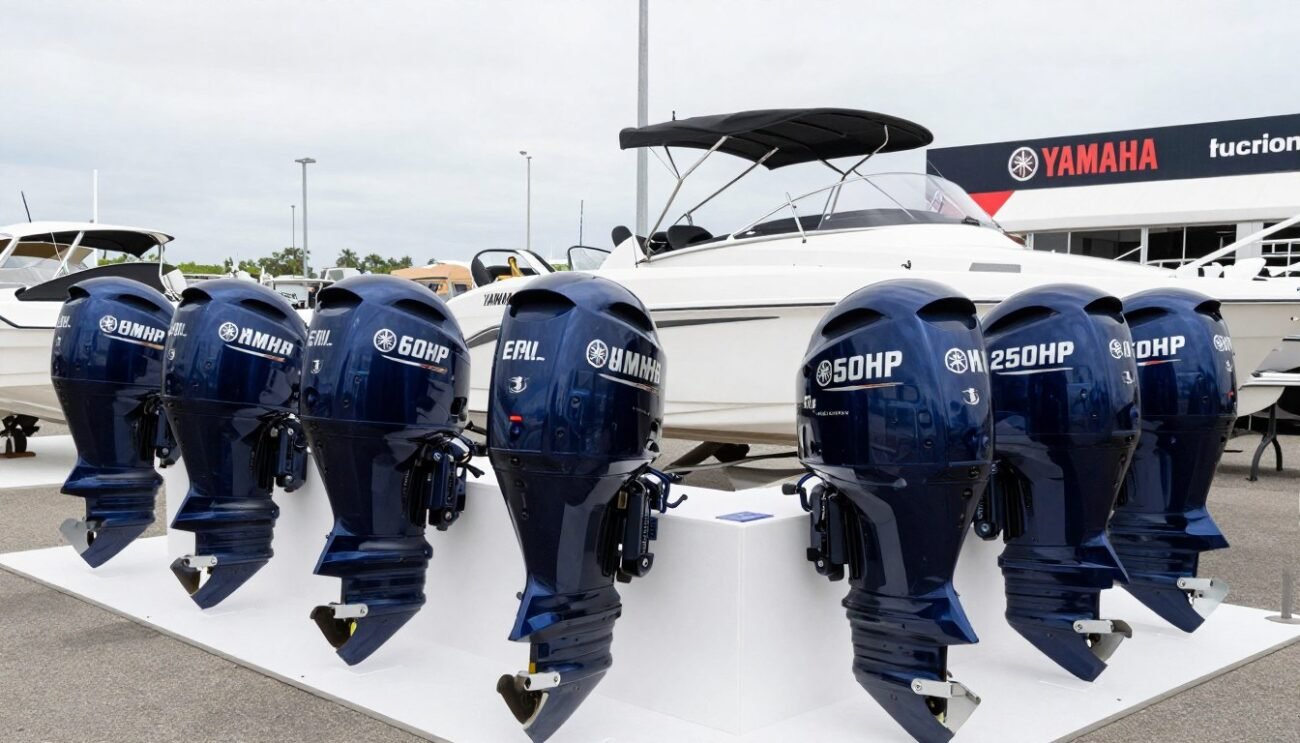
Yamaha outboards set the standard for reliability and performance. Their four-stroke engines use proven DOHC technology and variable camshaft timing. Anglers praise Yamaha midrange models for smooth power delivery and excellent fuel economy.
The V6 4.2L offshore series delivers exceptional acceleration and top-end speed. Yamaha’s digital electronic control provides precise throttle response. Corrosion protection exceeds industry standards with multiple paint layers and galvanic isolation.
Popular models include the F70, F150, and F250. The F150 balances power and efficiency perfectly for most center console applications. Saltwater anglers prefer the F250 for its durability and low-rpm torque.
Yamaha Advantages
- Industry-leading reliability ratings
- Excellent fuel efficiency across all models
- Strong resale value retention
- Quiet operation at cruise speeds
- Superior corrosion resistance
Yamaha Considerations
- Higher initial purchase cost
- Heavier than some competitors
- Parts can be expensive
Shop Yamaha Outboards
Discover why Yamaha motors are the top choice for serious anglers. Browse our complete selection of new and certified pre-owned Yamaha outboards.
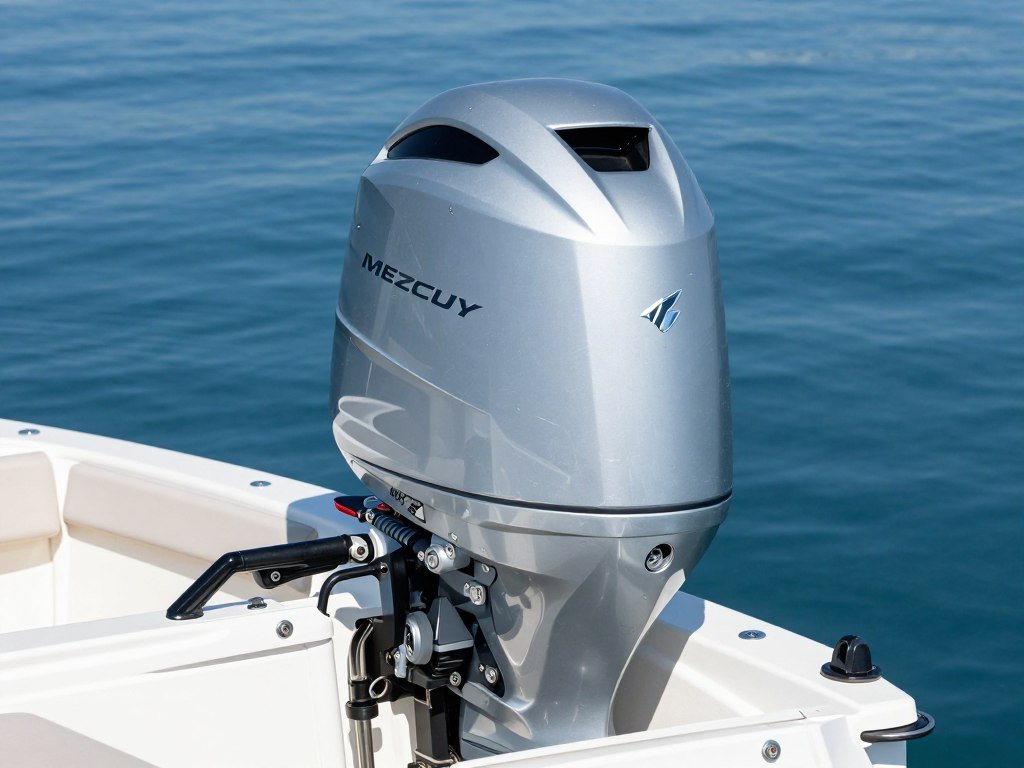
Mercury Marine
Mercury combines innovation with performance. Their Verado series features supercharged power for demanding offshore conditions. Advanced mid-section absorbs vibration for incredibly smooth operation.
Mercury’s Pro XS models deliver tournament-level acceleration. Bass boat anglers appreciate the explosive hole shot and precise boat control. Digital throttle and shift systems provide instantaneous response.
The SeaPro commercial line offers enhanced durability for professional guides. Extended gear ratios optimize low-speed trolling performance. Mercury’s SmartCraft integration displays engine data on compatible fishfinders.
Mercury Advantages
- Powerful acceleration and top speed
- Advanced technology integration
- Wide dealer network nationwide
- Excellent parts availability
- Strong warranty coverage
Mercury Considerations
- Higher fuel consumption in some models
- More complex electronic systems
- Premium pricing on Verado line
Explore Mercury Engines
Experience the power and innovation of Mercury outboards. Find the perfect motor for your fishing boat from our extensive Mercury inventory.
Suzuki Marine
Suzuki focuses on engineering excellence and efficiency. Their DF series features offset driveshafts that lower engine weight and improve handling. Lean burn fuel control extends range significantly.
The DF140 and DF175 models excel on bay boats and flats skiffs. Suzuki’s counter-rotation technology eliminates torque steer for better tracking. Anglers value the smooth idle and precise trolling control.
Suzuki outboard review data consistently shows top ratings for fuel economy. Their 2.8L and 3.6L V6 engines deliver impressive torque curves. Suzuki covers engines with a 5-year limited warranty, among the best in the industry.
Suzuki Advantages
- Exceptional fuel efficiency
- Lightweight design improves performance
- Smooth, quiet operation
- Competitive pricing
- 5-year warranty standard
Suzuki Considerations
- Smaller dealer network
- Lower resale values in some markets
- Fewer high-horsepower options
Honda Marine
Honda marine outboards emphasize reliability and longevity. Their automotive-derived technology ensures consistent performance. VTEC valve control optimizes power across the entire rpm range.
The BF150 and BF250 models suit a wide variety of fishing boats. Honda’s BLAST technology improves acceleration without sacrificing efficiency. Freshwater and saltwater anglers both trust Honda’s corrosion protection.
Honda motors run exceptionally quiet, ideal for stealthy fishing approaches. Their direct air induction system maximizes combustion efficiency. Service intervals extend longer than many competitors, reducing maintenance costs.
Honda Advantages
- Outstanding long-term reliability
- Very quiet operation
- Low maintenance requirements
- Clean, efficient combustion
- Strong torque at low rpm
Honda Considerations
- Limited high-performance models
- Fewer power options above 250 HP
- Higher initial cost
Evinrude (BRP)
Evinrude pioneered direct fuel injection for two-stroke engines. Their E-TEC G2 technology delivers impressive fuel economy while maintaining two-stroke simplicity. These engines require no winterization and minimal oil changes.
The lightweight construction benefits smaller fishing boats significantly. Evinrude motors provide excellent hole shot and acceleration. However, BRP discontinued Evinrude production in 2020, affecting long-term parts availability.
Evinrude Advantages
- Lightweight two-stroke design
- Strong acceleration
- No winterization required
- Simple maintenance
Evinrude Considerations
- Production discontinued in 2020
- Future parts availability concerns
- Lower resale values
- Limited dealer support
Best Outboard Motors by Boat Type
Different fishing boats have unique power requirements. Matching engine specifications to your vessel type optimizes performance and efficiency.
Bass Boats
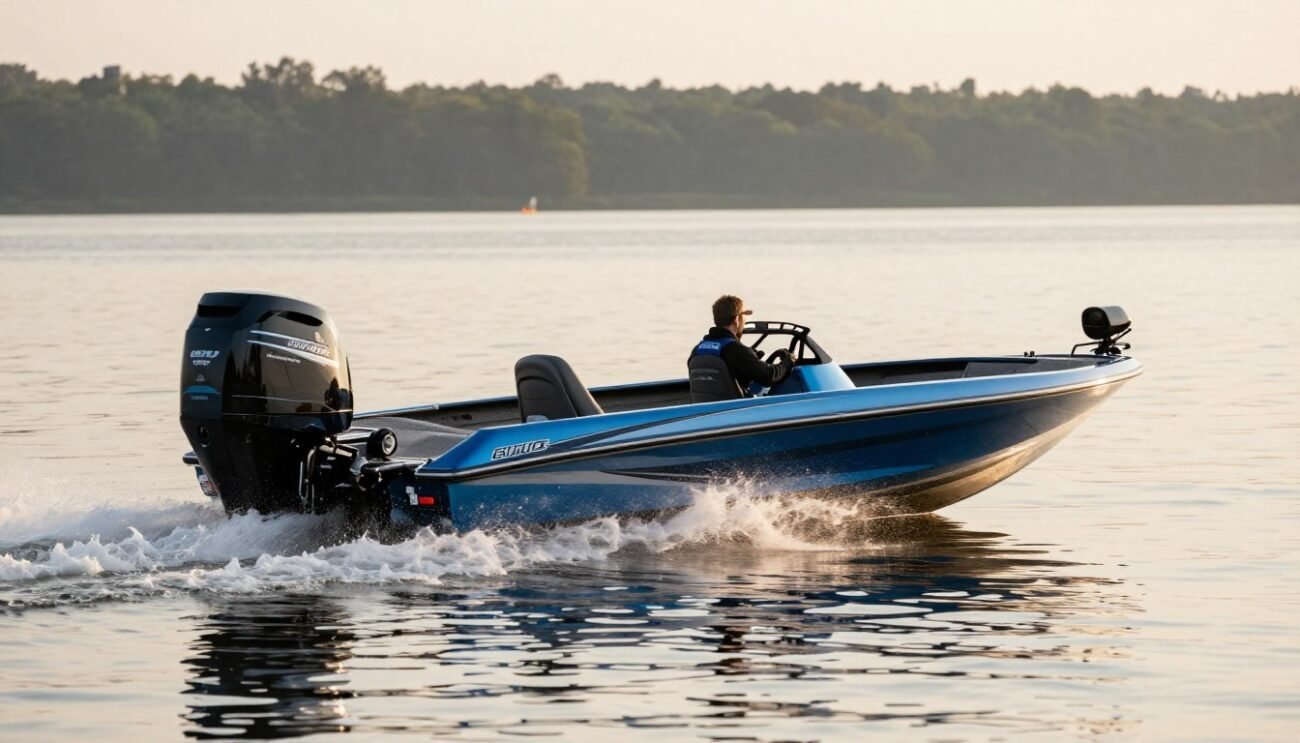
Bass boats demand quick acceleration and precise control. Most models between 18-21 feet perform best with 150-250 HP. The lighter hull design allows smaller engines to achieve excellent speeds.
Look for motors with strong mid-range torque for rapid hole shots. Jack plate compatibility lets you optimize prop depth. Consider models with variable trolling speed control for better fish presentation.
Center Console Fishing Boats
Center consoles require reliable power for offshore conditions. Twenty-foot boats typically need 150-200 HP. Larger 25-30 foot models demand 250-400 HP, often with twin installations.
Prioritize fuel efficiency for extended offshore runs. Saltwater-specific protection prevents corrosion in harsh conditions. Digital controls provide better boat handling in rough water.
Offshore Fishing Boats
Large vessels tackle serious offshore fishing. Twin or triple engine setups deliver necessary power and redundancy. Individual engines range from 250-450 HP depending on boat size.
High-output models like Yamaha’s F350 or Mercury’s Verado 400 provide impressive performance. Consider fuel capacity carefully, as offshore trips consume significant amounts. Reliability becomes absolutely critical.
Jon Boats
Jon boat applications need smaller, lighter engines. Most aluminum jon boats run efficiently with 25-60 HP. Weight distribution matters significantly on these flat-bottom vessels.
Tiller steering offers better weight distribution than console controls. Short-shaft engines suit most jon boat transoms. Four-stroke models provide quieter operation for duck hunting and fishing.
Bay Boats
Bay boats balance shallow-water access with offshore capability. Eighteen to twenty-two foot models perform well with 115-200 HP. These boats benefit from engines offering both speed and efficiency.
Look for motors with shallow-water drives or jack plate compatibility. Variable speed trolling helps with live bait fishing. Fuel efficiency extends your fishing range significantly.
Pontoon Fishing Boats
Pontoons accommodate families while providing fishing capability. Most fishing pontoons between 20-24 feet need 90-150 HP. The wide, stable platform handles larger engines well.
Four-stroke engines deliver smooth, quiet power ideal for leisure boating. Consider models with good low-end torque for towing tubes. Longer shaft lengths typically suit pontoon transoms better.
Best Horsepower Options for Fishing Boats
Selecting appropriate horsepower ensures optimal performance and efficiency. Each power range serves specific boat types and fishing applications.
40 HP Outboards
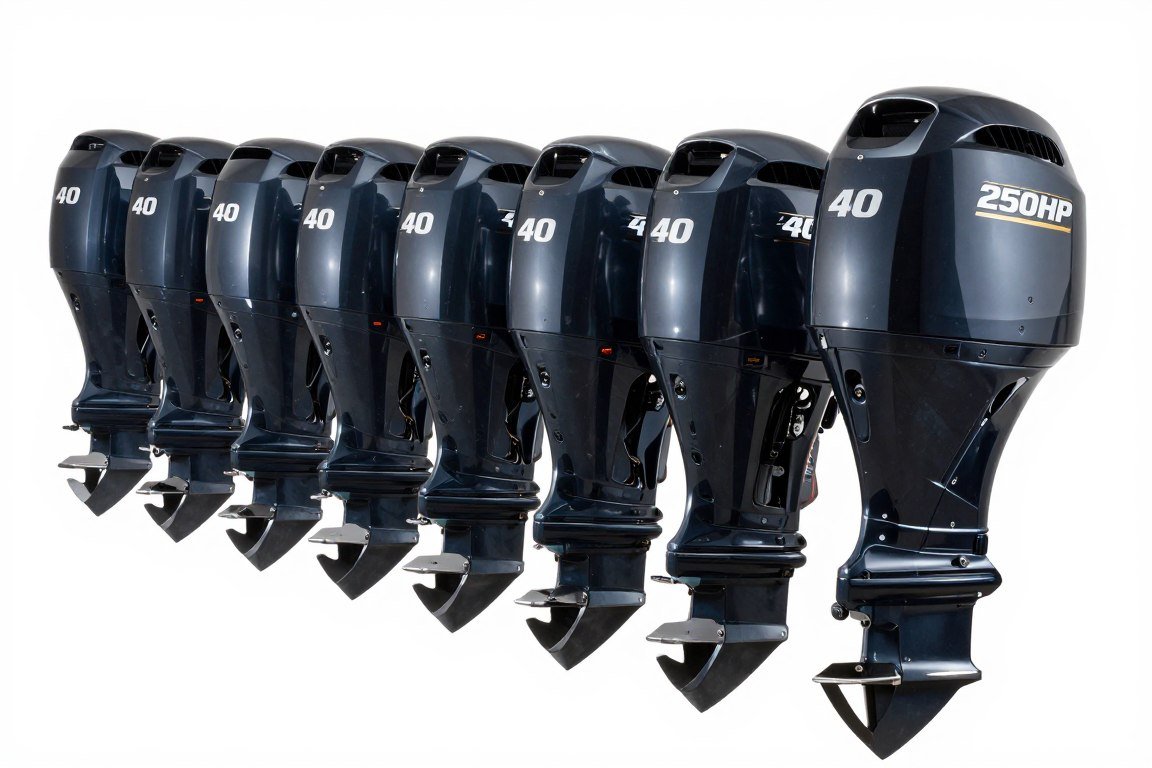
Forty horsepower suits small boats under 16 feet. Jon boats, inflatables, and small aluminum fishing boats run efficiently at this power level. These engines provide adequate speed while maximizing fuel economy.
Ideal boaters include pond fishermen, duck hunters, and creek anglers. The lighter weight won’t overwhelm small transoms. Four-stroke models in this range offer excellent reliability.
60 HP Outboards
Sixty horsepower represents the sweet spot for many smaller fishing boats. Boats between 16-18 feet achieve good performance without excessive weight or cost. This range balances acceleration with fuel efficiency.
Perfect for bay fishing, lake anglers, and general recreational use. Modern 60 HP engines deliver surprising power thanks to advanced fuel injection. Consider this option for boats rated up to 75 HP maximum.
90 HP Outboards
Ninety horsepower provides strong performance for mid-size fishing boats. Eighteen to twenty foot vessels benefit from the additional power. This range works well for boats carrying multiple anglers and gear.
Excellent choice for serious anglers needing reliable power. Handles rougher water conditions confidently. Fuel consumption remains reasonable compared to larger engines.
115 HP Outboards
The 115 HP range offers versatility across many boat types. Twenty foot center consoles and larger bay boats perform excellently. This power level provides strong acceleration and comfortable cruising speeds.
Popular among inshore guides and recreational anglers. Balances performance with manageable weight and cost. Most manufacturers offer multiple models in this power category.
150 HP Outboards
One hundred fifty horsepower suits larger fishing boats up to 24 feet. Bass boats, center consoles, and bay boats all benefit from this power range. Provides excellent top-end speed and confident acceleration.
Yamaha midrange models like the F150 deliver outstanding reliability. Mercury’s 150 Pro XS offers tournament-level performance. Consider this option for serious fishing applications.
250 HP and Above
High horsepower engines power large offshore vessels. Center consoles over 25 feet often run twin 250s or larger. These motors deliver the power needed for rough offshore conditions.
Essential for big-water fishing and long-range trips. Fuel consumption increases significantly, so plan accordingly. Reliability and durability become paramount at this level.
Yamaha vs Mercury vs Suzuki: Which Is Better?
Comparing top brands helps identify the best choice for your needs. Each manufacturer excels in different areas.
| Feature | Yamaha | Mercury | Suzuki |
| Reliability Rating | Excellent (9.5/10) | Very Good (8.5/10) | Excellent (9/10) |
| Fuel Economy | Excellent | Good | Outstanding |
| Top Speed Performance | Very Good | Excellent | Good |
| Maintenance Costs | Moderate | Moderate to High | Low to Moderate |
| Initial Price Range | $$$ – $$$$ | $$$ – $$$$$ | $$ – $$$ |
| Saltwater Durability | Excellent | Very Good | Very Good |
| Dealer Network | Extensive | Very Extensive | Good |
| Warranty Coverage | 3-5 years | 3-5 years | 5 years |
Yamaha outboards lead in overall reliability and resale value. Mercury excels in raw performance and technology integration. Suzuki offers the best fuel efficiency and value proposition.
Your choice depends on priorities. Performance-focused anglers prefer Mercury. Value-conscious boaters choose Suzuki. Reliability-minded buyers select Yamaha. All three brands deliver excellent quality.
Ready to Upgrade Your Fishing Boat?
Get expert advice from our marine specialists. We’ll help you select the perfect outboard motor for your boat type, fishing style, and budget. Free consultation and competitive pricing on all major brands.
Flushing After Saltwater Use
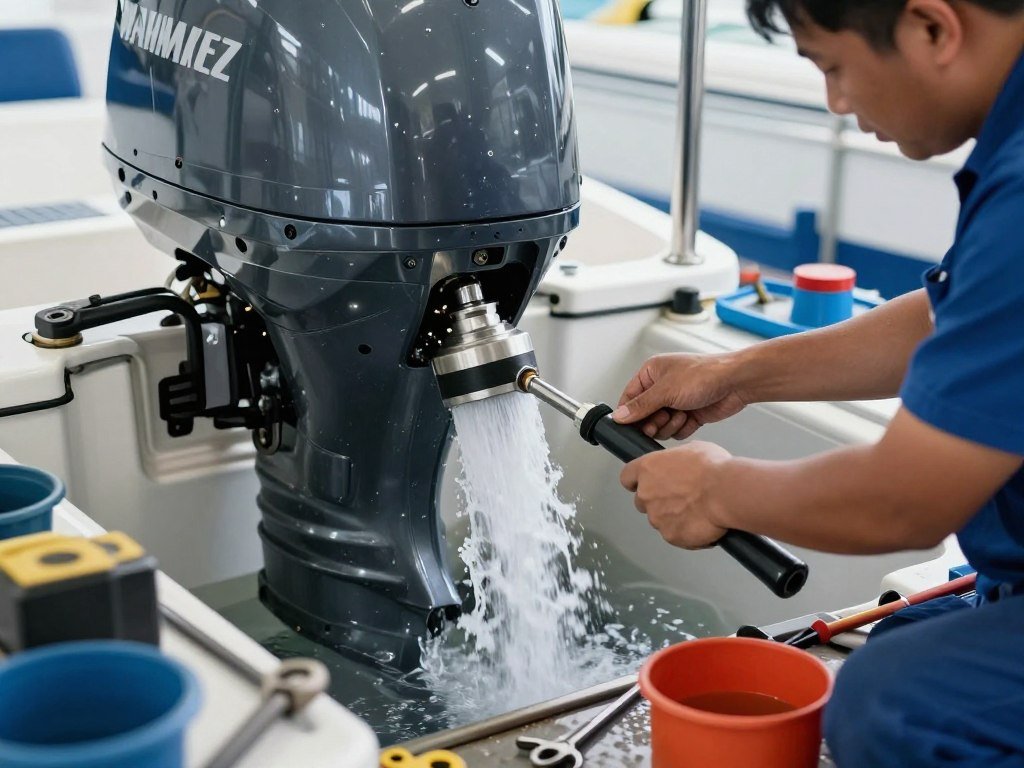
Salt crystals corrode internal passages rapidly. Flush your engine with fresh water after every saltwater outing. Run the motor for 10-15 minutes with the flush attachment connected.
This simple step prevents salt buildup in cooling passages. Many newer engines include built-in flushing ports. Make flushing a non-negotiable part of your post-fishing routine.
Regular Oil Changes
Fresh oil lubricates internal components and removes contaminants. Change engine oil every 100 hours or annually, whichever comes first. Use manufacturer-specified marine oil grades.
Don’t forget lower unit gear oil. Replace it twice yearly on heavily-used boats. Check for water contamination during changes, which indicates seal problems.
Fuel Stabilizer Usage
Ethanol fuel degrades quickly and damages fuel systems. Add marine-grade fuel stabilizer to every tank. This prevents gum and varnish buildup in carburetors and injectors.
Particularly important during storage periods. Run stabilized fuel through the system before winter. Consider ethanol-free fuel when available.
Corrosion Prevention
Inspect sacrificial anodes regularly and replace when 50% consumed. Apply corrosion inhibitor spray to external components. Keep paint in good condition to protect aluminum surfaces.
Check electrical connections for corrosion. Apply dielectric grease to prevent moisture intrusion. Store boats under cover when possible.
Proper Winterization
Prepare engines correctly for winter storage. Fog the engine with storage oil. Drain cooling system completely or use antifreeze. Stabilize fuel and fill the tank.
Remove the battery and store it on a maintainer. Grease all fittings and check prop for damage. Proper winterization prevents expensive spring repairs.
Propeller Inspection and Maintenance
Check your prop regularly for damage. Bent blades cause vibration and reduce efficiency. Remove fishing line from the prop shaft before it damages seals.
Ensure the prop is properly secured. Carry a spare prop for emergencies. Consider switching props based on load and conditions.
Get Personalized Outboard Motor Recommendations
Our marine experts will help you find the perfect engine for your fishing boat. Fill out this quick form to receive personalized recommendations based on your specific needs.
Frequently Asked Questions About Outboard Motors
What is the most reliable outboard motor brand?
Yamaha consistently ranks as the most reliable outboard motor brand based on industry surveys and owner feedback. Their four-stroke engines demonstrate exceptional longevity, often exceeding 2,000 hours with proper maintenance. Honda also scores very high for reliability, while Mercury and Suzuki offer excellent dependability in their respective model ranges.
Which outboard motor is best for saltwater fishing?
Yamaha outboards excel in saltwater applications due to superior corrosion protection. Their extensive use of aluminum alloys and protective coatings prevents degradation in harsh marine environments. Mercury’s Verado series also performs exceptionally well offshore. Any quality four-stroke engine with proper saltwater maintenance will serve reliably.
How many hours does an outboard motor last?
Modern four-stroke outboard motors typically last 2,000-3,000 hours with regular maintenance. Recreational anglers averaging 100 hours annually can expect 20-30 years of service. Commercial applications or poorly maintained engines may see shorter lifespans. Two-stroke engines generally last 1,500-2,000 hours. Proper care significantly extends engine life.
Is Yamaha better than Mercury?
Yamaha and Mercury excel in different areas. Yamaha offers superior fuel efficiency, quieter operation, and slightly better long-term reliability. Mercury provides stronger acceleration, more advanced technology features, and broader dealer support. The “better” choice depends on your priorities – Yamaha for efficiency and reliability, Mercury for performance and technology.
What size outboard do I need for my fishing boat?
Check your boat’s capacity plate for maximum horsepower rating. Generally, 16-foot boats need 40-60 HP, 18-foot boats require 75-115 HP, 20-foot boats need 115-150 HP, and boats over 24 feet demand 200+ HP. Consider your typical load, desired performance, and whether you’ll fish in rough conditions when selecting horsepower.
Are four-stroke outboards better than two-stroke?
Four-stroke outboards offer better fuel economy, quieter operation, and cleaner emissions. They require less frequent maintenance and comply with all environmental regulations. Two-strokes are lighter and provide slightly better power-to-weight ratios. For fishing applications, most anglers prefer four-stroke engines for their efficiency and smooth operation.
What is the best fuel-efficient outboard motor?
Suzuki outboards currently lead in fuel efficiency across most horsepower ranges. Their lean burn technology and offset driveshaft design maximize fuel economy. Yamaha’s F150 and Honda’s BF150 also deliver excellent efficiency. Modern four-stroke engines from all major manufacturers achieve 3-5 miles per gallon at cruise speeds.
How often should I service my outboard motor?
Perform basic maintenance every 100 hours or annually. This includes oil changes, spark plug inspection, and fuel filter replacement. Change lower unit gear oil every 100 hours or twice yearly for saltwater use. Complete professional service every 300 hours or every three years. Always flush after saltwater use.
What is the best outboard motor for a bass boat?
Mercury Pro XS models are extremely popular for bass boats due to explosive acceleration and precise control. Yamaha’s SHO (Super High Output) series also performs excellently. Most bass boats between 18-21 feet run best with 150-250 HP. Choose engines with strong mid-range torque and good hole shot performance.
Can I repower my old fishing boat with a new outboard?
Yes, repowering breathes new life into older boats. Modern engines provide better fuel efficiency, reliability, and performance. Ensure your transom is structurally sound and meets current engine requirements. Consider upgrading steering, controls, and rigging during repowering. A marine dealer can assess compatibility and installation requirements.
Making Your Final Outboard Motor Decision
Selecting the best outboard motors for fishing boats requires balancing multiple factors. Consider your boat type, typical fishing conditions, and budget constraints. Prioritize reliability and fuel efficiency for long-term satisfaction.
Yamaha, Mercury, and Suzuki all manufacture excellent engines. Research specific models within your horsepower range. Read owner reviews and consult with experienced anglers in your area.
Don’t compromise on proper engine sizing. Underpowered boats perform poorly and waste fuel. Overpowered installations create handling problems and safety concerns. Match horsepower to your boat’s rated capacity.
Budget for quality from the start. Premium engines cost more initially but deliver superior reliability and lower operating costs. Factor in fuel consumption, maintenance expenses, and resale value when comparing options.
Work with reputable dealers who provide excellent service support. Proper installation ensures optimal performance and longevity. Establish a maintenance schedule immediately after purchase.
The right outboard motor transforms your fishing experience. Reliable power lets you focus on fishing instead of engine problems. Efficient operation extends your range and reduces costs. Choose wisely and maintain properly for years of trouble-free boating.
Find Your Perfect Outboard Motor at Motor Dock Marine
Browse our extensive selection of Yamaha, Mercury, Suzuki, and Honda outboard motors. We offer competitive pricing, expert installation, and comprehensive service support. Our marine specialists are ready to help you make the right choice.